
Why Is Inventory Management Important for Organizing Commercial Shipping Operations?
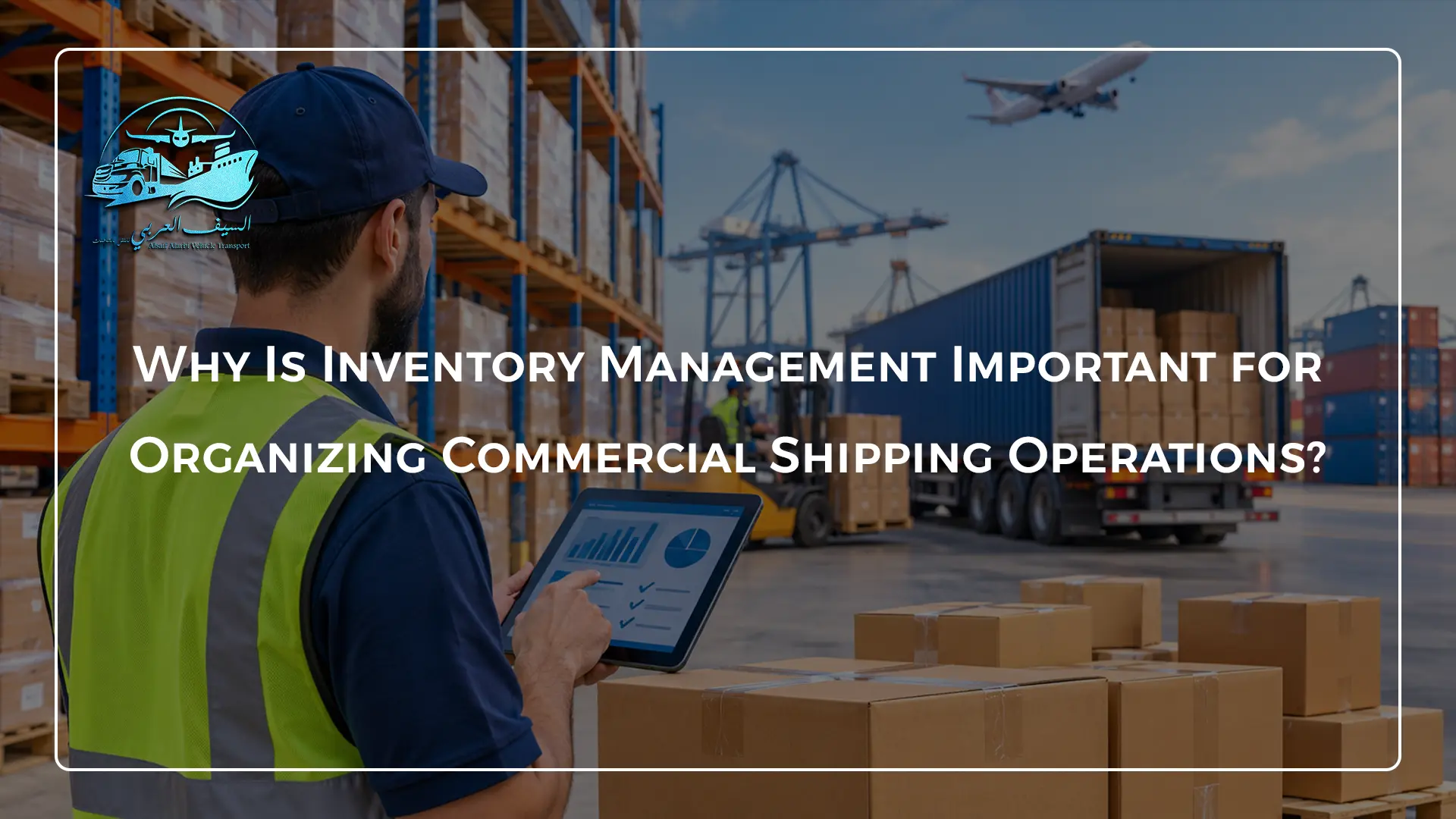
Inventory management is one of the key factors behind efficient commercial shipping operations. It involves more than simply knowing how much stock is available in a warehouse. It also includes organizing product movement, monitoring orders, and determining the right time to replenish and ship goods.
For businesses involved in importing, exporting, or distributing products, poor inventory management can lead to shipment delays, product shortages, excess stock, and higher storage and transportation costs.
Effective inventory management, on the other hand, helps businesses coordinate shipping operations, use resources more efficiently, and ensure that products are available when needed.
What Is Inventory Management?
Inventory management is the process of organizing and monitoring products and goods within warehouses. It covers receiving and storing products, recording stock quantities, tracking sales and orders, and preparing goods for shipping or distribution.
Its main objective is to maintain a balance between having sufficient products available to meet demand and avoiding unnecessary stock accumulation.
In commercial operations, inventory management is directly connected to shipping because accurate stock information helps businesses determine replenishment schedules, shipment quantities, and transportation requirements.
How Does Inventory Management Affect Commercial Shipping?
1. Organizing Shipping Schedules and Preventing Delays
Monitoring inventory levels helps businesses determine when to reorder products and prepare new shipments. When available stock quantities are accurately recorded, companies can plan shipments before products run out.
Without reliable inventory information, businesses may discover shortages too late, forcing them to arrange urgent shipments or change distribution schedules.
2. Reducing Storage and Transportation Costs
Proper inventory management helps businesses avoid shipping more goods than they actually need and reduces unnecessary stock accumulation in warehouses.
By analyzing sales figures and demand patterns, companies can determine appropriate shipment quantities, improve the use of storage and transportation capacity, and reduce unnecessary operating expenses.
3. Improving Shipment Planning and Order Consolidation
When businesses have clear information about required products, quantities, and delivery schedules, it becomes easier to coordinate shipments and consolidate compatible orders into organized transportation operations.
This can improve cargo space utilization and reduce repeated loading and transportation activities while considering delivery deadlines and customer requirements.
4. Preventing Stock Shortages and Overstocking
Both insufficient inventory and excessive stock can negatively affect business efficiency.
Product shortages may delay customer orders and result in lost sales opportunities. On the other hand, holding more inventory than necessary increases warehouse expenses and ties up capital in products that may not sell quickly.
Monitoring stock levels and demand patterns helps businesses maintain a better balance between available inventory and incoming shipments.
5. Improving Coordination with Suppliers and Shipping Companies
Accurate inventory data provides businesses with a clearer understanding of future requirements, making it easier to coordinate with suppliers and transportation companies in advance.
Companies can use this information to determine required quantities, cargo preparation dates, expected loading times, and delivery requirements, reducing unexpected changes to shipping plans.
Learn about all the services offered by Al Saif Al Arabi
Best Practices for Improving Inventory and Shipping Management
Businesses can improve operational efficiency by following several practical steps:
- Update inventory records regularly: Record incoming and outgoing goods and review stock balances consistently.
- Set minimum stock levels: Establish clear reorder points before products run out.
- Analyze sales and demand: Use historical sales data to estimate future shipping requirements.
- Organize warehouse products: Classify goods to make them easier to locate, prepare, and load.
- Coordinate with suppliers: Agree on clear supply schedules and communicate expected requirements in advance.
- Use inventory management systems: Apply digital software to record cargo movement and monitor stock quantities and orders.
Businesses should also review inventory and shipping performance regularly to identify the causes of delays or increasing expenses and take corrective action.
What Is the Role of Technology in Inventory and Shipping Management?
Digital systems have become important tools for organizing commercial operations. Inventory Management Systems help businesses record products, monitor quantities, and update stock information whenever goods are received, sold, or shipped.
These systems can also be connected with order management and warehouse software, providing a clearer picture of cargo movement and supporting better decisions about replenishment and shipping schedules.
Such tools help reduce manual recording errors, improve data accuracy, and simplify coordination between purchasing, warehouse, and transportation departments.
Conclusion: Inventory Management Is Essential for Organized Commercial Shipping
Efficient commercial shipping requires effective inventory management. Accurate stock information, demand forecasting, and well-planned replenishment schedules all contribute to better shipment organization and help prevent delays and unnecessary expenses.
For businesses and traders, improving inventory management goes beyond organizing warehouse operations. It strengthens the entire supply chain, from the supplier to the final delivery of goods.
At Alsaif Alarbi, we understand the importance of effective coordination in commercial cargo transportation and aim to provide shipping and transportation solutions that meet the needs of businesses and traders.
Contact us to discuss your commercial shipping requirements and find a suitable transportation solution for your business.