
Is Shipping Insurance Necessary? What Types of Damage Does It Cover?
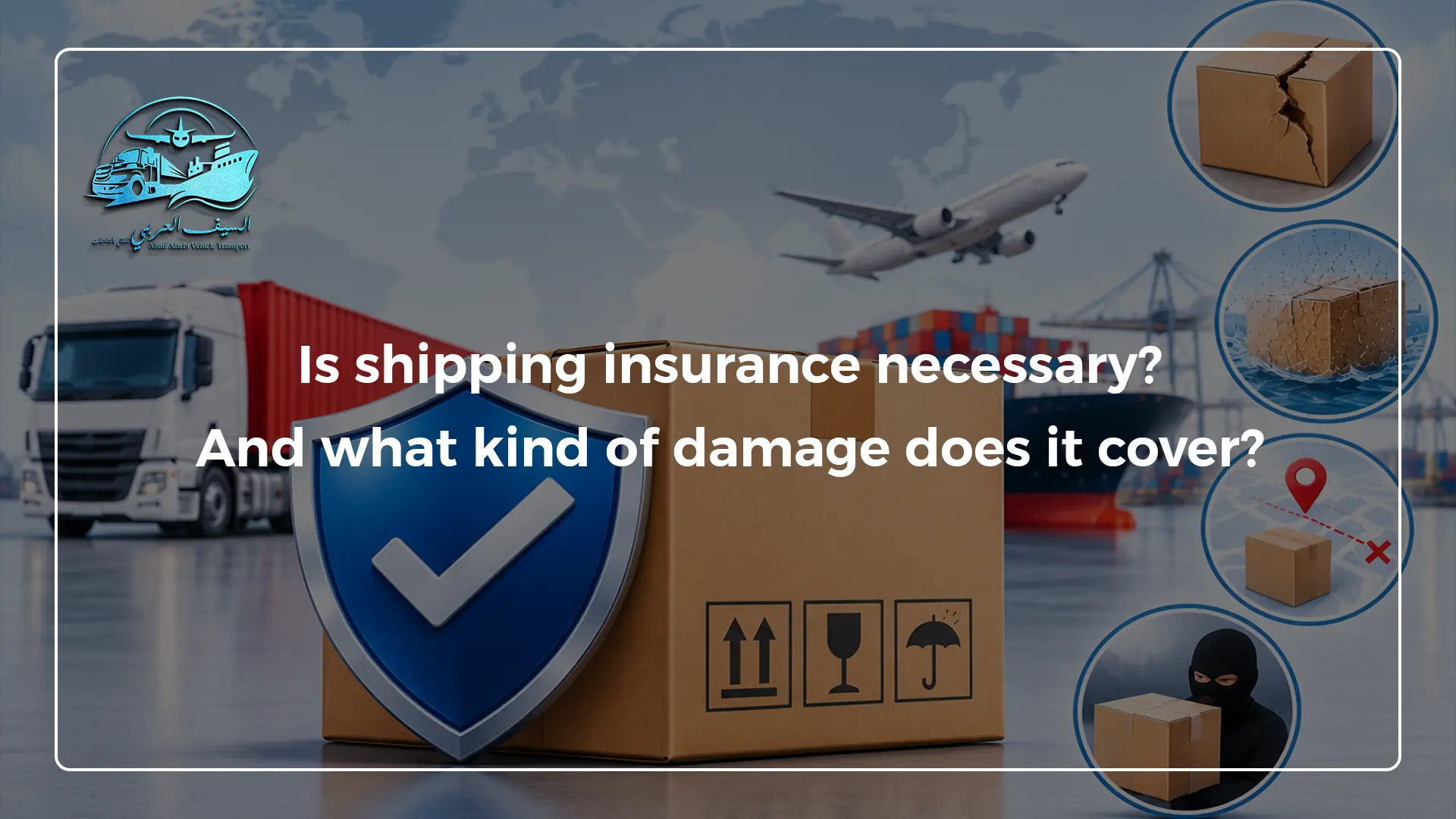
Shipping goods internationally involves several stages, from collection and loading to transportation, handling and final delivery. Although modern logistics services have improved the safety and efficiency of transportation, shipments can still face unexpected risks, including accidents, fire, theft, physical damage and loss.
This is why shipping insurance is an important consideration for individuals and businesses transporting valuable goods. Whether you choose land freight, sea freight or air freight, having suitable cargo insurance can help protect your financial interests against covered losses.
But is shipping insurance necessary for every shipment? What types of damage does it cover? And how can you choose the right insurance policy?
In this guide, Alsaif Alarbi Truck Transportation explains everything you need to know about cargo insurance and how it helps protect your goods during transportation.
What Is Shipping Insurance?
Shipping insurance, also known as cargo insurance or goods in transit insurance, is an insurance arrangement that protects the financial value of goods against covered physical loss or damage during transportation.
It can cover shipments transported by road, sea or air, depending on the selected policy and its conditions.
The coverage may vary according to the value of the goods, their nature, packaging, transportation route and the level of protection required.
For example, electronic equipment may require protection against accidental physical damage, while furniture shipments may need coverage suitable for handling and transportation risks.
Is Shipping Insurance Necessary When Transporting Goods?
Shipping insurance is not generally compulsory for all cargo shipments in the UAE. However, it can be required under certain commercial agreements, banking arrangements or international trade contracts.
Even when insurance is not mandatory, it can provide important financial protection. A transportation company’s liability does not necessarily mean that the owner will receive full compensation for the entire value of damaged or lost goods.
Carrier liability may be subject to contractual conditions, applicable transportation conventions and legal limits.
Shipping insurance is particularly recommended for:
- High-value goods: Electronics, industrial equipment, machinery and commercial products.
- International shipments: Goods transported across borders and through multiple handling stages.
- Furniture and fragile items: Products that may be vulnerable to breakage or physical damage.
- Large commercial shipments: Cargo whose loss could significantly affect a company’s finances.
- Sensitive goods: Products requiring special transportation or storage conditions.
Shipping insurance should therefore be considered an important risk management measure rather than simply an additional expense.
Learn about all the services offered by Al Saif Al Arabi
What Types of Damage Does Shipping Insurance Cover?
The exact protection depends on the insurance policy and selected coverage level. However, common insured risks may include the following:
1. Physical Damage During Transportation
Goods may suffer physical damage due to transportation accidents, collisions or handling incidents. This can include broken products, damaged components or distorted packaging, depending on the policy.
2. Breakage and Scratches
Furniture, glass products, electronics and fragile items can be damaged during loading, unloading and transportation. Some comprehensive cargo insurance policies may cover accidental breakage, subject to their exclusions.
3. Fire and Explosion
Cargo insurance may cover physical damage or loss caused by fire and explosions involving trucks, ships, aircraft or storage facilities during the insured transit.
4. Road Transportation Accidents
Certain policies cover cargo damage resulting from road accidents, including vehicle overturning, collisions and other specified transportation incidents.
5. Marine Accidents and Sinking
Sea freight insurance may cover risks such as vessel sinking, grounding, capsizing and collisions. Some policies also cover damage caused by seawater entering containers or storage areas.
6. Theft and Cargo Loss
Depending on the selected coverage, insurance may protect against theft, pilferage or non-delivery of insured goods during transportation.
7. Natural Disasters
Some insurance policies include protection against specific natural events, such as earthquakes, lightning and volcanic eruptions.
It is important to understand that All Risks coverage does not mean that every possible loss is covered. It generally covers accidental physical loss or damage, subject to the exclusions specified in the policy.
What Does Shipping Insurance Usually Not Cover?
Cargo insurance policies include exclusions that determine which losses are not eligible for compensation.
Common exclusions may include:
- Improper packaging: Damage resulting from insufficient or unsuitable packaging.
- Normal wear and tear: Gradual deterioration or natural changes in the goods.
- Inherent defects: Damage caused by the nature or internal defects of the products.
- Delivery delays: Financial losses resulting from delayed delivery.
- Intentional damage: Losses caused deliberately by the insured or their representatives.
- War and strikes: These risks may require additional coverage.
Before purchasing shipping insurance, always review the exclusions and policy conditions carefully.
What Are the Main Types of Shipping Insurance?
Cargo insurance can be arranged according to the transportation method and the specific risks involved.
Land Freight Insurance
Land freight insurance protects goods transported by trucks and other road vehicles. Depending on the policy, it may cover accidents, collisions, overturning and certain types of cargo loss or damage.
It is particularly relevant for shipments within the UAE and transportation between the UAE, GCC countries and neighboring destinations.
Sea Freight Insurance
Marine cargo insurance protects goods transported by ships and shipping containers. Coverage may include sinking, collisions, fire and seawater damage, depending on the selected policy.
Air Freight Insurance
Air cargo insurance provides protection for goods transported by aircraft against covered physical loss or damage during transit.
Multimodal Transportation Insurance
When shipments travel through multiple transportation methods, such as trucks, ships and aircraft, insurance can be arranged to cover the different stages of the journey, subject to the agreed policy terms.
What Is the Difference Between ICC (A), ICC (B) and ICC (C)?
Institute Cargo Clauses (ICC) are widely used to define the coverage available under marine cargo insurance policies.
The three main levels are:
- ICC (A): Broad coverage against accidental physical loss or damage, subject to specified exclusions.
- ICC (B): Covers a defined list of risks, including certain natural disasters, fire and water-related damage.
- ICC (C): Provides more limited protection against major specified events, such as fire, explosion, vessel sinking and certain transportation accidents.
ICC (A) generally offers the broadest level of protection. However, the most suitable option depends on the cargo, transportation route and financial value of the shipment.
How to Choose the Right Shipping Insurance?
Choosing the right cargo insurance requires evaluating several important factors:
Determine the cargo value: Provide accurate invoices and documentation to establish the appropriate insured value.
- Understand the shipping route: Consider the destination, transportation method and different stages of transit.
- Select the coverage level: Compare comprehensive and restricted insurance options.
- Review exclusions: Check whether breakage, theft and packaging-related damage are included.
- Understand the deductible: Know how much you may need to pay before compensation applies.
- Keep shipping documents: Retain invoices, packing lists, shipping documents and photographs of the goods.
- Check the coverage period: Confirm when insurance begins and ends, including whether warehouse-to-warehouse protection is included.
Is the Shipping Company Responsible for Damaged Goods?
The responsibility of a shipping company depends on the transportation method, applicable agreements, contractual conditions and relevant laws.
Handing goods over to a transportation company does not automatically mean that the carrier is responsible for compensating the owner for their full value in every situation.
Carrier liability may be limited by applicable laws or international conventions, and certain circumstances may be excluded from liability.
For this reason, it is important to distinguish between carrier liability and cargo insurance, which provides compensation according to the terms of the insurance policy.
Upon receiving a shipment, inspect the goods immediately, photograph any visible damage, record the issue on the delivery documents and notify the relevant party within the required reporting period.
Why Choose Alsaif Alarbi Truck Transportation?
Reliable shipping services involve much more than moving goods from one destination to another. They require careful planning, proper handling, organized transportation procedures and attention to the details of every shipment.
At Alsaif Alarbi Truck Transportation, we understand the importance of organizing transportation operations according to the nature of the goods and customer requirements.
Whether you need to transport commercial goods, furniture or personal belongings, choosing a shipping company that values proper handling and transportation planning can help reduce risks and provide a smoother shipping experience.
For valuable shipments, we also recommend asking about available cargo insurance options and carefully reviewing the coverage, exclusions and compensation conditions before transportation begins.
Shipping insurance plays an important role in protecting goods against unexpected transportation risks, including accidents, fire, theft and physical damage.
Whether you choose land freight, sea freight or air freight, selecting appropriate insurance coverage can help reduce potential financial losses and provide greater peace of mind.
Before sending your shipment, consider its value, nature, destination and transportation risks. Combined with proper planning and a reliable transportation company, suitable cargo insurance can make international shipping from the UAE a more secure and confident experience.
Alsaif Alarbi Truck Transportation – Reliable Shipping with Care at Every Step.
Frequently Asked Questions About Shipping Insurance
1. Is shipping insurance mandatory in the UAE?
No. Cargo insurance is not generally compulsory for all shipments in the UAE, although certain commercial contracts and banking arrangements may require it.
2. Does shipping insurance cover broken or damaged goods?
Yes, certain policies cover accidental physical damage and breakage, provided the cause is insured and not excluded under the policy.
3. Does cargo insurance cover theft?
Some cargo insurance policies include theft and pilferage protection. Always check that these risks are specifically covered.
4. Can I insure goods transported by truck?
Yes. Land transit insurance is available for goods transported by trucks and other road vehicles, subject to the policy conditions.
5. Does shipping insurance cover furniture and personal belongings?
Some policies can cover furniture and personal belongings during transportation. Coverage depends on the nature of the items, packaging and selected insurance terms.
6. What is the difference between marine and land freight insurance?
Marine cargo insurance covers goods transported by sea, while land freight insurance focuses on risks associated with transportation by trucks and road vehicles.
7. How can I claim compensation for damaged goods?
Notify the insurance provider within the required period and submit the insurance policy, shipping documents, invoices and evidence of the damage, following the insurer’s claims procedure.